World Cup 2026: The VAR Row, the Low Block Lie and Cape Verde's Night to Remember
VAR rows that will not die, a jargon word that deserves the sack, and the small nation that nearly did the impossible to Argentina. Here is the real story of World Cup 2026, and why it has us dreaming of a British beach and a proper kickabout.
Low Block Should Be Shown the Red Card
A Tournament Built on Arguments
World Cup 2026 is barely past its first knockout round and it has already delivered a tournament's worth of arguments in one fortnight. This year's field expanded to 48 teams, more matches than ever before, and more chances than ever for VAR to have the final say. Somewhere between the video assistant referee overturning a certain winner and pundits reaching for the phrase low block for the tenth time in a broadcast, football's oldest debate has resurfaced. Is the modern game explained more clearly by data and jargon, or by the same plain words supporters have always used from the terraces?
Then there is the football itself. Fancied nations have gone home early, unfancied nations have gone toe to toe with world champions, and one result in particular, Cape Verde against Argentina, will be replayed and argued over for years. Here is our round up of the story so far, VAR row and all, before we bring it home to a British beach.
VAR Still Has Everyone Arguing
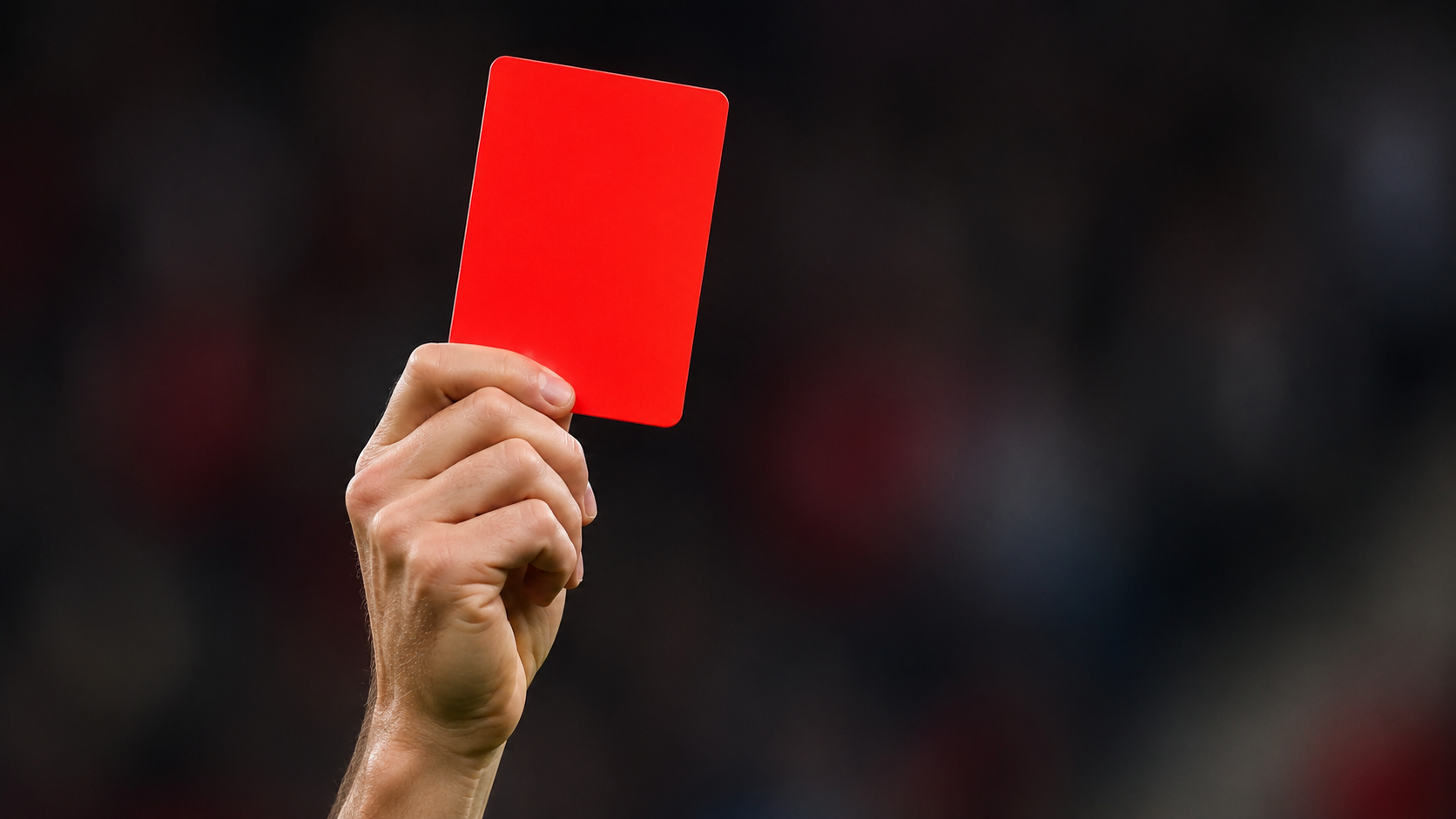
Say what you like about the old days of referees getting it wrong in real time, at least everyone agreed to move on by full time. VAR was meant to settle arguments. Instead it has simply given them a slow motion replay.
Germany's exit against Paraguay is the clearest example. Jonathan Tah thought he had scored an extra time winner from a corner, only for the goal to be ruled out after a foul was spotted in the build up. Pundits still cannot agree whether it was the correct call, and Germany went on to lose their first ever World Cup penalty shootout, exiting in the round of 32 for a third straight tournament.
Croatia's exit to Portugal came via a late and contested VAR intervention, and Senegal will feel just as aggrieved, beaten by a stoppage time penalty against Belgium that split opinion the moment it was given. None of these decisions were rushed. All of them are still being argued about in pubs and group chats days later. That, whether FIFA likes it or not, is VAR's real legacy so far, not certainty, just a longer argument.
Low Block Should Be Shown the Red Card
If VAR is this World Cup's villain, low block is its most tiresome new catchphrase. Turn on any broadcast and you will hear it within minutes. FIFA's own technical study group has spent this tournament analysing what it calls the prevalence of mid and low blocks among the smaller nations, Cape Verde included.
Here is the thing. There is nothing new about ten men behind the ball, inviting pressure, and breaking at pace. British football worked this out long before anyone had a laptop open. We used to call it sitting deep. Sometimes we called it defending deep. Either phrase tells you exactly what is happening, no glossary required.
Low block is not wrong, it is just unnecessary, a sports science term doing a job that plain English already did better. So consider this its marching orders. Off it goes, straight down the tunnel, and on comes sitting deep, or defending deep if you prefer your football with a Yorkshire accent rather than an analytics degree.
Not Every Minnow Survived the Groups
The expanded format was supposed to give smaller nations a stage, and for some it did exactly that, right up until it did not. Jordan, drawn alongside Argentina, Algeria and Austria, could not find a way past a rampant Messi and went out after the group stage. Curaçao, one of the smallest nations at the tournament, also went out at that stage.
Others went further before the door closed. Bosnia and Herzegovina reached a World Cup knockout stage for the first time in their history, only to be beaten by two goals to nil by the United States, one of this year's three host nations, in the round of 32. No shame in that exit, only pride in getting there at all.
But one small nation did not just survive the groups. It very nearly ended the World Cup for the champions of the world.
Cape Verde: The Story of This World Cup
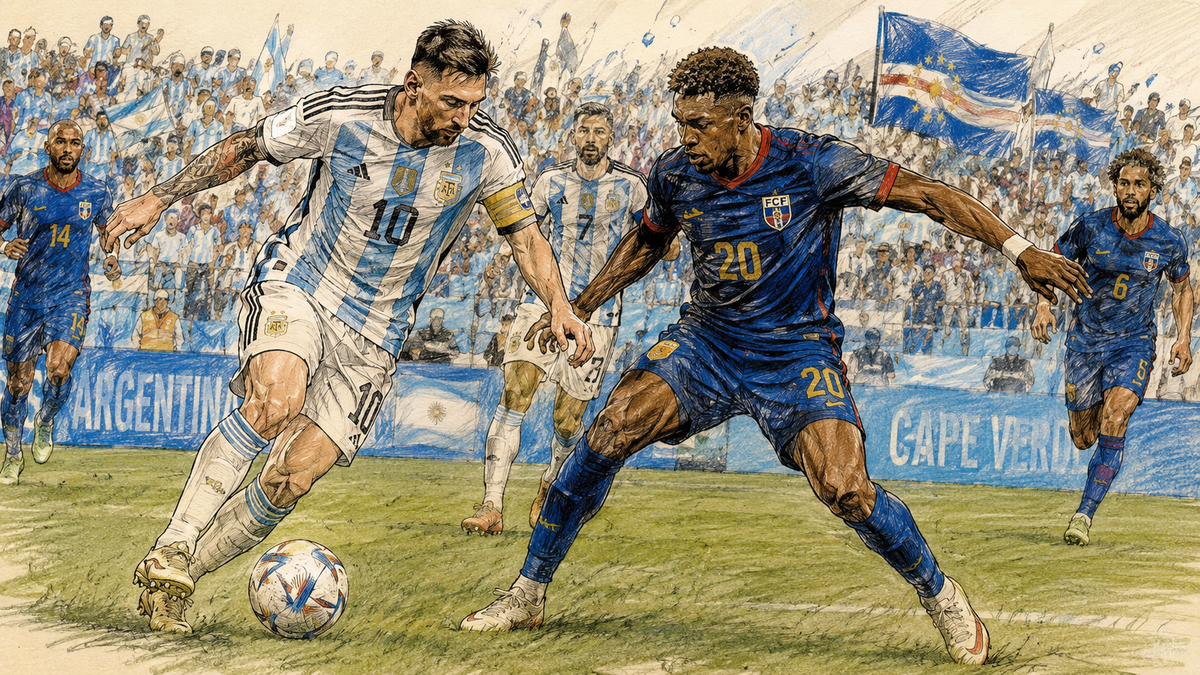
Cape Verde, an island nation of roughly 500,000 people, arrived at their first ever World Cup finals and simply refused to be the story everyone expected. They held Spain to a goalless draw, then drew two apiece with Uruguay, going through the group stage unbeaten.
That set up a round of 32 meeting with Argentina in Miami on 3 July. Lionel Messi put the champions ahead in the first half, only for Deroy Duarte to level for the Blue Sharks and send the game to extra time. Lisandro Martinez restored Argentina's lead early in extra time, and then Sidny Lopes Cabral produced a moment that will outlive the result itself, a curling strike from the edge of the area that may stand as the greatest goal in Cape Verdean football history.
Argentina eventually won by three goals to two, the decisive goal a scrambled own goal in the closing stages of extra time, but not before the reigning champions were made to survive the sort of fright that ends World Cup dreams. Cape Verde go home. Nobody who watched it will forget them.
Same Stage as the Giants, Miles Ahead on Heart
Here is where the numbers need a little honesty. Cape Verde did not technically go further in the competition than Germany or the Netherlands. All three were eliminated in the round of 32, the very same knockout round, within days of each other.
But look at how they got there. Germany, world champions four times over, lost their first ever World Cup penalty shootout without scoring more than one goal from open play across normal and extra time. The Netherlands, finalists three times before, went the entire tournament unbeaten in normal time and still went out on penalties, a nation with three World Cup finals to its name undone without ever actually losing a match.
Cape Verde, a country you could fit inside a single London borough several times over, took the reigning world champions to the brink for two exhausting hours in Miami heat, and were a single moment away from the greatest shock the World Cup has ever seen. Same stage on the bracket. A different story entirely in terms of heart, one that giants with far greater history could not match this summer.
From Miami Heat to a British Beach
Players were cramping on the Hard Rock Stadium turf by the end of Cape Verde against Argentina, done in by two hours of football in Miami humidity. It is a long way, in every sense, from a British summer, but the feeling underneath it is exactly the same one that built CobbleRose. Playing for the shirt until your legs will not carry you any further.
While the World Cup plays out in the heat, our own football fix this summer is a proper British seaside kickabout, sand between your toes, jumpers for goalposts, and kick off still at three o'clock. Pick up the CobbleRose Beach Club tee, and read the full story behind the design in our seaside nostalgia piece on the Archive.
This post was brought to you by The CobbleRose Shop