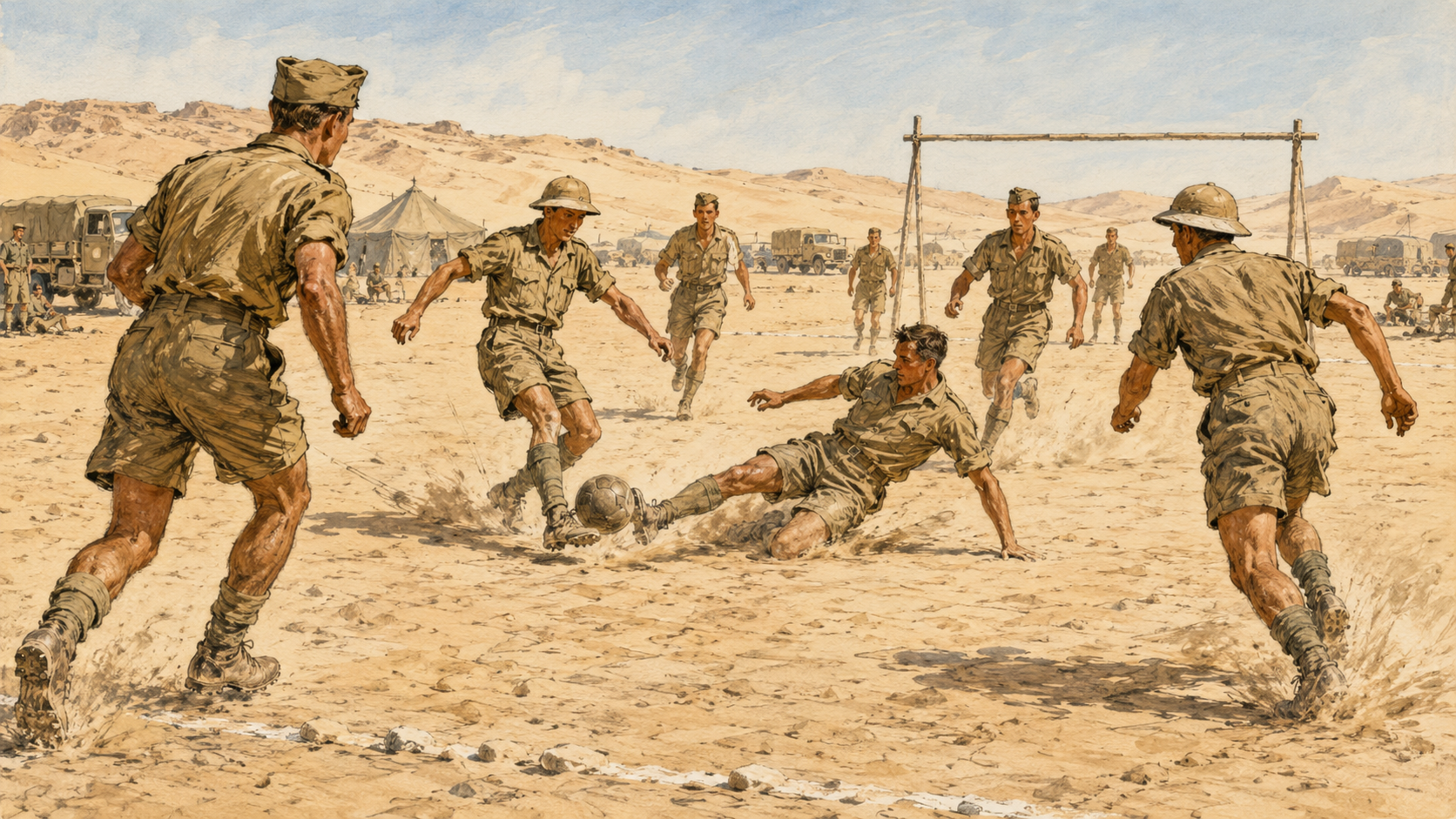
Sheffield: The City That Gave the World Football
Sheffield invented the football club, keeps the world's snooker, seasons everything with a sauce nobody else understands, and built two world wars with its bare hands. This is the Steel City, told properly.
1857: Where Football Kicked Off
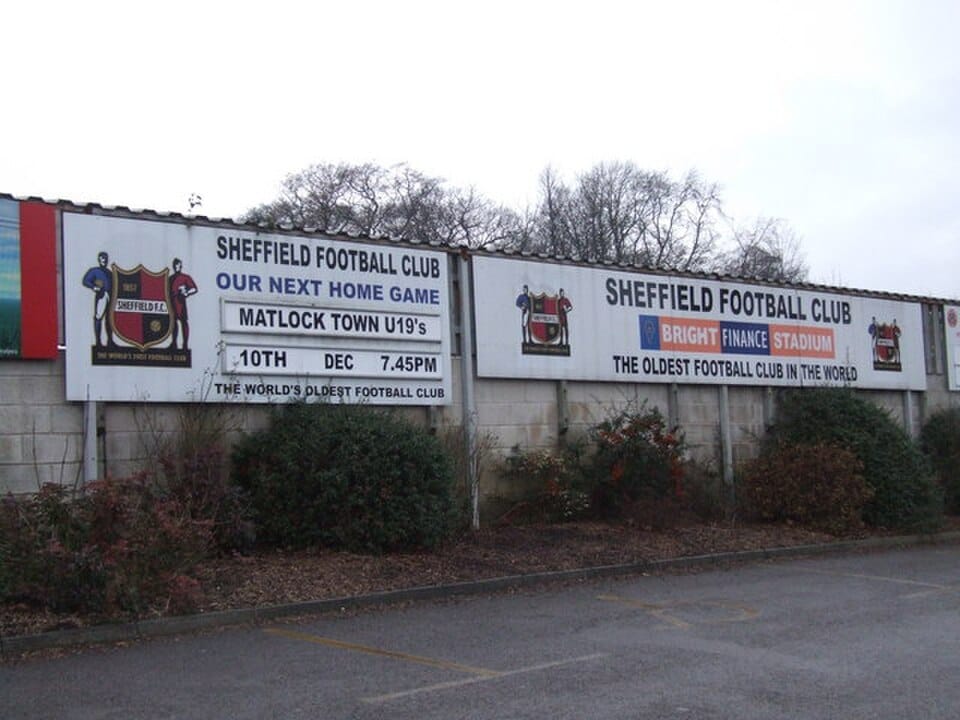
Sheffield is known as the Home of Football because the world’s first football club was founded there in 1857, the Sheffield Rules helped shape the modern game, and the city staged the first inter-club match and the first knockout football tournament. From Sheffield FC and Hallam FC to Sandygate and Bramall Lane, few cities have a stronger claim to football’s origins. The Wednesday came along in 1867.
There are cities that shout about themselves and cities that simply get on with it. Sheffield is the second kind, that's according to us at CobbleRose. It gave the world its most popular sport, armed a nation twice over, and invented a sauce so beloved that questioning it in Parliament once caused a diplomatic incident. Yet ask most people what they know about Sheffield and you will get a shrug and something about hills.
Before there were leagues, before there were crests and kits and rivalries, there was a greenhouse on East Bank Road and a group of cricketers with nothing to do all winter.
Why Sheffield Is Called the Home of Football
On 24 October 1857, Nathaniel Creswick and William Prest held the inaugural meeting of Sheffield Football Club at Parkfield House in Highfield. It was the world's first football club, and FIFA still recognises it as the oldest independent club still playing today. In 2004 they received the FIFA Order of Merit, an honour shared with exactly one other club: Real Madrid. A club from the ninth tier of English football, sat alongside the most decorated side on the planet. That tells you everything about what Sheffield gave the game.
The early fixtures were gloriously improvised. With nobody else to play, members faced each other as Married v Singles or Professionals v the Rest. By 1858 Creswick and Prest had drawn up the Sheffield Rules, the first detailed laws of football ever published by a club, gifting the game corners, free kicks, throw ins and the crossbar. On Boxing Day 1860 they beat neighbours Hallam FC 2 nil in the first inter club match ever played. Every derby since, everywhere on earth, descends from that afternoon.
No crest needed. No colours declared. Just the fact of it: football, as we know it, is a Sheffield invention.
Sheffield Wednesday and Sheffield United: Two Clubs, One City
Sheffield’s football story did not end with the creation of Sheffield FC and the Sheffield Rules. The city later produced two major professional clubs, Sheffield Wednesday and Sheffield United, whose rivalry became known as the Steel City derby.
Sheffield Wednesday were formed in 1867 as the football section of The Wednesday Cricket Club. Originally called The Wednesday Football Club, they adopted the name Sheffield Wednesday in 1929. The club became one of the founding members of the Premier League in 1992 and has played at Hillsborough since 1899.
Sheffield United were founded in 1889 at Bramall Lane. Known as the Blades because of Sheffield’s historic cutlery industry, United were founding members of the Football League Second Division in 1892 and the Premier League in 1992.
The first competitive meeting between the two clubs took place in December 1890. Since then, the Steel City derby has become one of English football’s oldest and most fiercely contested city rivalries.
Why are Sheffield United called the Blades?
The nickname reflects Sheffield’s historic association with steelmaking, knives and cutlery.
Why are Sheffield Wednesday called the Owls?
The nickname developed from the club’s association with Owlerton, the Sheffield district where Hillsborough Stadium is located.
Henderson's Relish: Strong and Northern
Every city has its secrets. Sheffield keeps its best one in a bottle with an orange label.
Henry Henderson blended his first batch of relish in 1885 at his home on Green Lane, selling it from his grocer's shop where customers brought their own bottles to be filled from the barrel. One hundred and forty years later, Henderson's Relish is still blended in Sheffield to a secret recipe known to only a handful of people. It looks like Worcestershire sauce. It is not Worcestershire sauce. Suggesting otherwise is the fastest way to start an argument in South Yorkshire, as one Lewisham MP discovered in 2014 when he made the comparison in the House of Commons and was publicly corrected by Sheffield's MPs.
Hendo's goes on pie, chips, stew and, on matchdays across the city for generations, whatever was being eaten before kick off. As the comedian Tom Wrigglesworth put it, outsiders think it is Sheffield's answer to Worcestershire sauce; Sheffielders know it is the answer to everything.
The Crucible: Seventeen Days in April
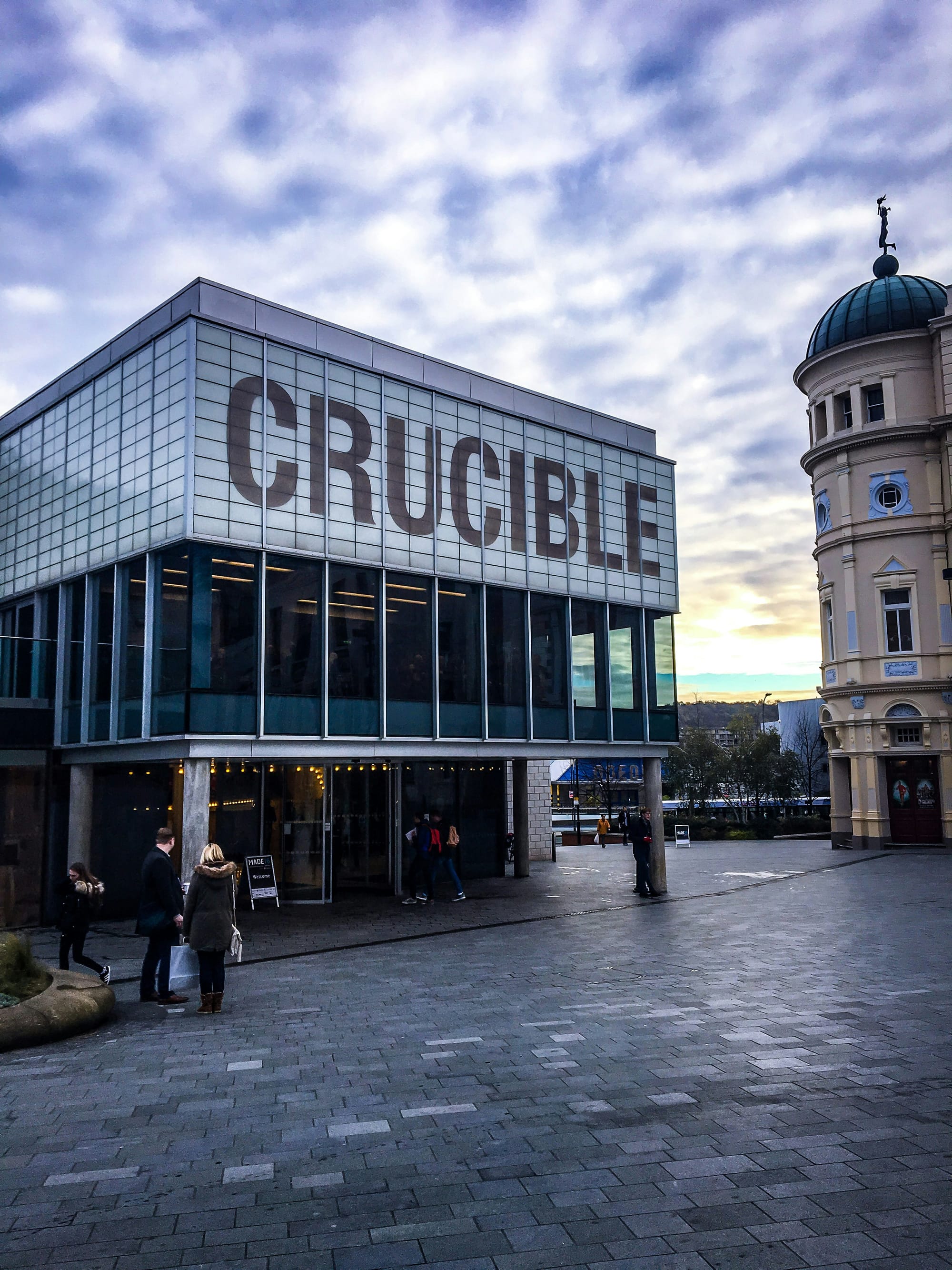
Since 1977, the World Snooker Championship has been played in a theatre in the middle of Sheffield, and nowhere else. The Crucible, named for the crucible steel process developed in the city in 1740, holds under a thousand spectators, with nobody sat more than twenty metres from the table. The Guardian called it the spiritual home of snooker, and every April around half a billion people worldwide watch a sport whose entire mythology lives in one small Yorkshire auditorium.
There is something very Sheffield about that. The biggest tournament in the sport, and the city hosts it not in an arena but in a producing theatre that spends the rest of the year staging Chekhov. The championship has now committed to the Crucible into the 2040s. It could go anywhere in the world. It stays here.
Tramlines: The City Turned Up
In 2009 a group of Sheffield venue owners, promoters and volunteers threw a free festival across thirty five city centre venues and called it Tramlines, after the city's tram network. A local band launched it by playing a gig on a moving Supertram. Thirty five thousand people turned up, The XX played The Harley a month before their debut album made them famous, and Arctic Monkeys drummer Matt Helders flew back from recording in America to help curate it.
Tramlines now fills Hillsborough Park with forty thousand people every July. It grew from the same instinct as everything else in this piece: Sheffield does not wait for permission to build things.
The Full Monty and the Tour de France
Two more moments, decades apart, that put the city on screen.
The Full Monty, filmed in Sheffield and released in 1997, turned the collapse of the steel industry into one of the most loved British films ever made. Six unemployed steelworkers, a Donna Summer record, and a story about pride surviving the loss of the work that built it. The world laughed, but Sheffield recognised something truer underneath: what happens to a city of makers when there is nothing left to make.
Then in July 2014, the Tour de France came to Yorkshire, and stage two finished in Sheffield. The final test of a brutal 201 kilometre day from York was Jenkin Road, an 800 metre residential climb with a maximum gradient of 33 per cent, so steep there are handrails on the pavement. The Tour christened it the Côte de Jenkin Road. I remember giving Luca Paolini some words of encouragement that day, he looked at me as if to say 'shut the **** up!'. Vincenzo Nibali attacked in the closing kilometres to win the stage, took the yellow jersey, and wore it all the way to overall victory in Paris. The Tour that year was won, in part, on a hill in Wincobank.
Sheffield Steel in Everything
Every thread in this story is the same thread. The club that invented football and the women who armed a nation. The sauce, the snooker, the festival, the film, the hill. A city that made things, lost the making, and kept the character.
That is what the Archive is for. British football culture did not begin with television deals and it does not live in club shops. It lives in places like Sheffield, where the game itself was born a short walk from the furnaces, and where heritage is not a marketing word but a family memory. My nan's included.
This post was brought to you by The CobbleRose Shop