
The Oldest Football Grounds in the World: Seven Grounds, Seven Crowns
Ask the internet for the oldest football ground in the world and you will get a straight answer. Ask a room full of football people and you will start a fight.
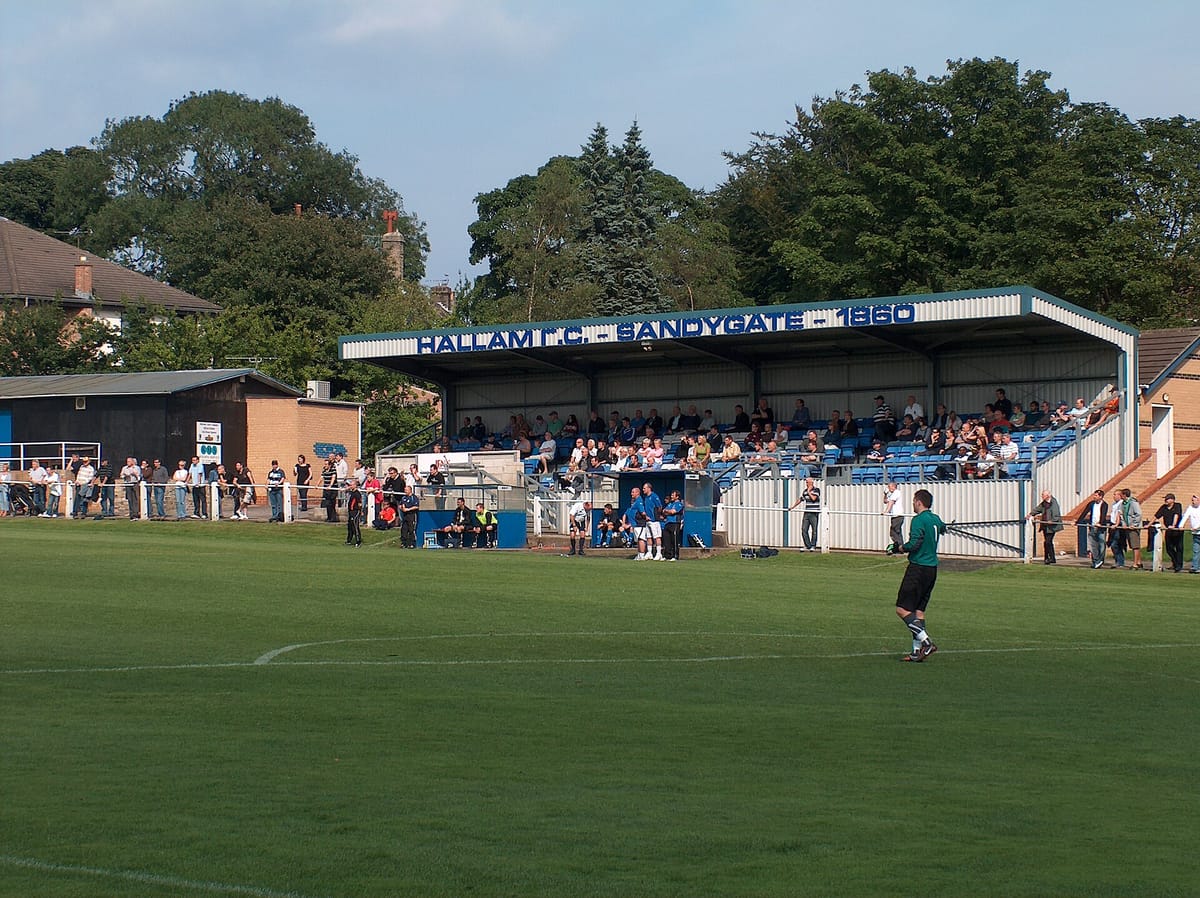

Guinness says Sandygate. Mansfield say Field Mill. The FA says York Road. They are all right.
Ask the internet for the oldest football ground in the world and you will get a straight answer. Ask a room full of football people and you will start a fight. The truth is that there is no single crown. There are at least seven, each worn by a different ground, each defended with the sort of pedantry only football can produce.
A word here for Notts County, the oldest professional club on earth, who do not get a look in. The Magpies only pitched up at Meadow Lane in 1910, having spent decades lodging with the cricket at Trent Bridge. They Might be the olldest club, but they play on a realtively young ground. The two arguments are not the same, which is precisely why this one never ends.
And the argument starts in Sheffield.
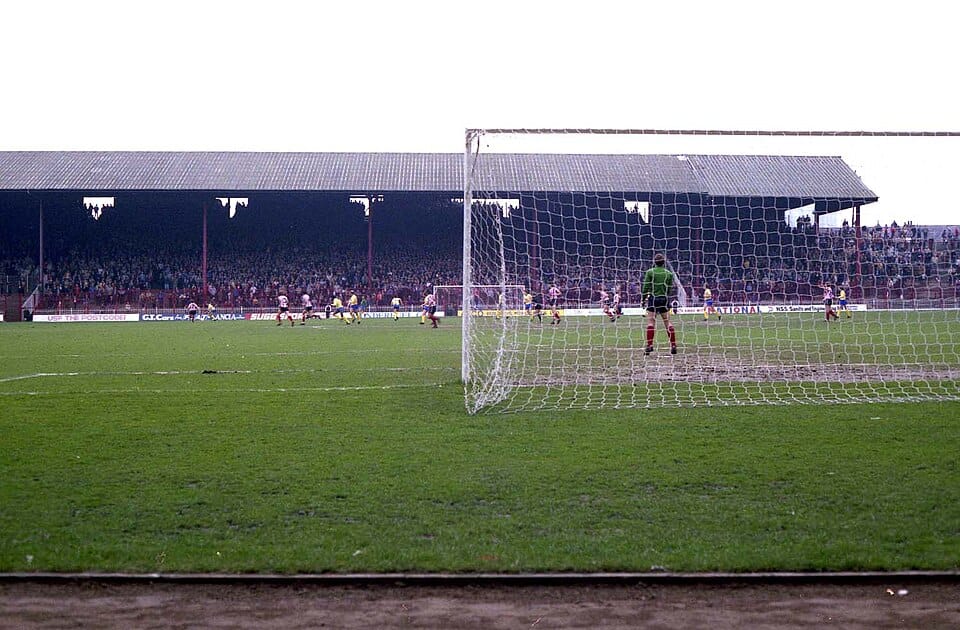
Bramall Lane came first, though it did not know it. It opened on 30 April 1855 as a cricket ground, leased from the Duke of Norfolk for seventy pounds a year because the air on that side of town was still relatively clear of factory smoke.
Football arrived on 29 December 1862, when Sheffield FC met Hallam in a charity match in aid of the Lancashire Mills Distress Fund. The game ran for three hours and finished 0-0, which rather set the tone for charity matches everywhere. What that afternoon started has never stopped.
Bramall Lane is the oldest major stadium in the world still hosting professional football, and its list of firsts is frankly absurd. The final of the Youdan Cup, the world's first football tournament, was played there in 1867, the year Sheffield Wednesday (then The Wednesday) were formed.
The world's first floodlit match followed on 14 October 1878, powered by two generators, watched by twenty thousand people and finishing 2-0 under electric light. Sheffield United have called it home since 1889, by which point the ground was already thirty four years old.
Across the city and high on its western slopes, Sandygate (featured image) wears the crown that matters most. Guinness World Records lists the home of Hallam FC as the oldest football ground in the world, in use since 1860. On Boxing Day that year it staged the first match ever played between two clubs, Hallam against Sheffield FC, a fixture that survives today as the Rules Derby.
The pitch still slopes so markedly that each team spends a half playing uphill. Hallam, the second oldest club on the planet, won promotion to the eighth tier in 2025, and when the Rules Derby returned to Sandygate in January of that year a four figure crowd squeezed in to watch a fixture first contested when Palmerston was Prime Minister.
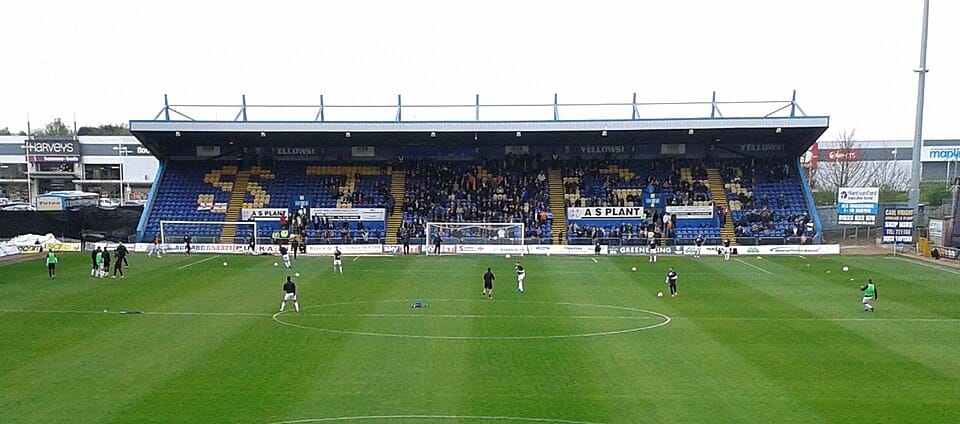
Mansfield will tell you, correctly, that neither Sheffield ground can claim professional football's oldest home. Field Mill, currently the One Call Stadium, has hosted football since 1861, with some accounts pushing it back as far as 1850. It began as the works field beside Greenhalgh's cotton mill, whose team built a handy midlands reputation before folding into what became Mansfield Town.
The Stags have been residents since 1919, and their ground is both the oldest in the English Football League and the oldest anywhere still staging professional football. The game has been played at Field Mill for longer than at any other professional ground on earth, a full year before Bramall Lane got round to it. Naturally, it collected a floodlight first of its own, staging England's first competitive match under lights in 1930.
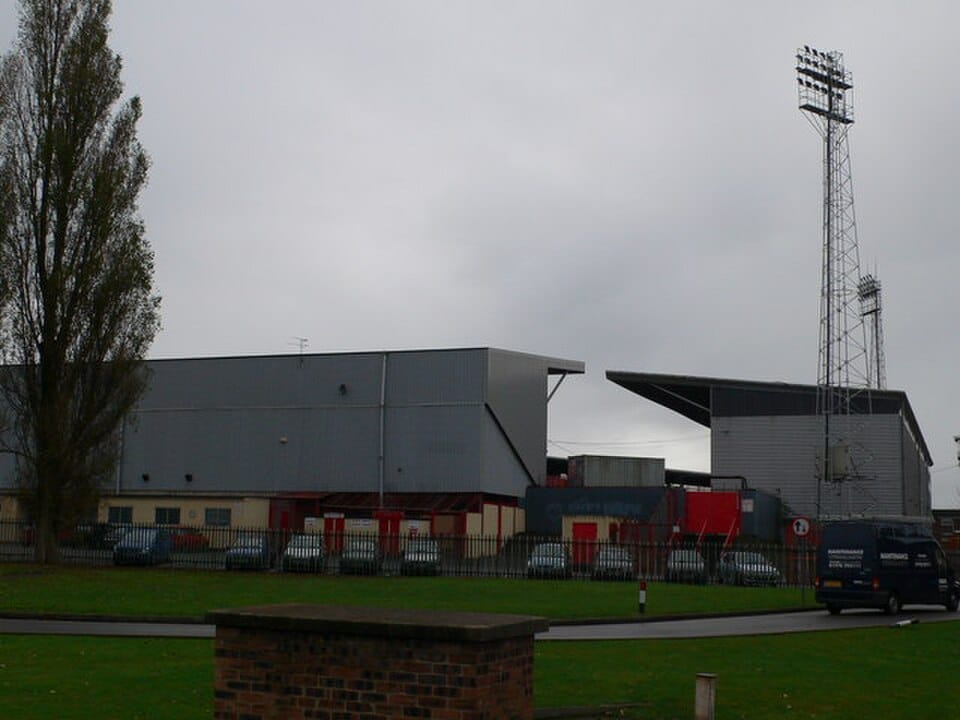
In Wrexham the crown is international. The Racecourse Ground has been home to Wrexham since the club was formed in the Turf Hotel in 1864, and on 5 March 1877 it hosted Wales's first home international, a 0-2 defeat to Scotland. Guinness recognises it as the oldest international football stadium still in use, and no venue has staged more Wales internationals.
Hollywood money is now building it a new Kop designed by Populous, the architects behind the Tottenham Hotspur Stadium, which means the world's oldest international ground is getting the newest treatment in the game. Somewhere in all of that is a metaphor for Wrexham's entire decade.
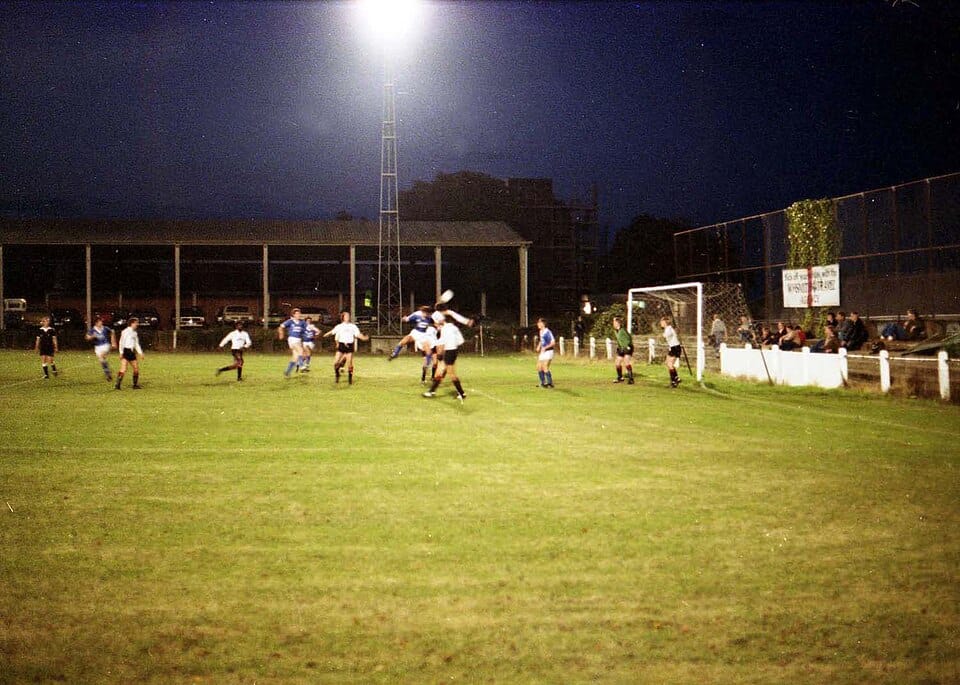
York Road in Maidenhead is the quiet one. There's no Guinness certificate, just a blue plaque and the acknowledgement of the FA and FIFA that it is the oldest senior football ground continuously used by the same club anywhere in the world. Maidenhead United played their first match there on 16 February 1871 against Marlow and have never left, through founder membership of the first FA Cup and a century and a half of non league life beside the railway.
Enjoy it while you can. The club unveiled plans this spring for a new stadium at Braywick Park, a kilometre to the south, and one of football's longest unbroken threads may soon be cut.
Preston's Deepdale claims the professional version of the continuity crown. The land was leased from Deepdale Farm on 21 January 1875 and football arrived on 5 October 1878 with a 1-0 defeat to Eagley. The club that became Preston North End has played there ever since. The Invincibles won the first ever Double from Deepdale in 1889 without losing a match, and on Christmas Day 1917 Dick, Kerr Ladies drew ten thousand people to the ground for their first game, the start of a story that saw them watched by hundreds of thousands within a few years.
Deepdale's claim to be the world's oldest continuously used professional football stadium is contested, of course. Every claim in this piece is contested. That is half the fun.

And then the crown leaves Britain altogether. The Gran Parque Central in Montevideo opened in 1900 and is the oldest football stadium in the Americas still in use. It is where Nacional have played for well over a century, where Uruguay played before the Centenario existed and where on 13 July 1930 the United States beat Belgium 3-0 in one of the two simultaneous opening matches of the first World Cup.
The ground gave the game more than history. Prudencio Reyes, the club employee who inflated the match balls and bellowed encouragement from the touchline, was nicknamed the hincha, and his nickname became the word for a football supporter across the whole of Latin America. Every fan on that continent is, linguistically speaking, descended from a man who pumped up balls in La Blanqueada.
Seven grounds, seven crowns and not a definitive answer between them, which feels exactly right. Football has never agreed on anything, so it was never going to agree on where it grew up. What the list does settle is geography. Two of the seven sit in a single city and every version of the argument eventually winds its way back to South Yorkshire. Everywhere else built grounds. Sheffield built the argument.