Stoke City Spitfire Shirt: The Story Behind the 26/27 Away Kit
Stoke City's new away shirt honours RJ Mitchell, the Potteries engineer behind the Supermarine Spitfire. Camouflage from the Battle of Britain, roundels on the cuffs and a tribute that supporters carry on their backs. This is how a heritage kit should be done.

A camouflage kit with a reason to exist
Most modern kit launches arrive with a paragraph of marketing about energy, boldness and the streets of the city. Stoke City's new away shirt arrives with a story that actually deserves the word heritage. It honours Reginald Joseph Mitchell, the man from the Potteries who designed the Supermarine Spitfire.
Credit where it is due. This is how you do a tribute shirt.
A Fighting Spirit 💪
— Stoke City FC (@stokecity) July 17, 2026
Your 26/27 away kit is now available online, and in-store from 10am tomorrow.
A camouflage kit with a reason to exist
Camouflage patterns on football shirts are usually a design team reaching for something edgy. Stoke's version, made by Macron for the 26/27 season, is different. The pattern across the shirt is drawn from the early camouflage scheme of the Spitfire itself, the dark earth and green that covered the aircraft in the summer of 1940. The cuffs carry a blue and red half and half trim, taken from the roundels that marked the wings and fuselage of the early models.
Nothing on this shirt is decoration for its own sake. Every element points back to the aircraft, and the aircraft points back to Stoke.
The engineer from Butt Lane
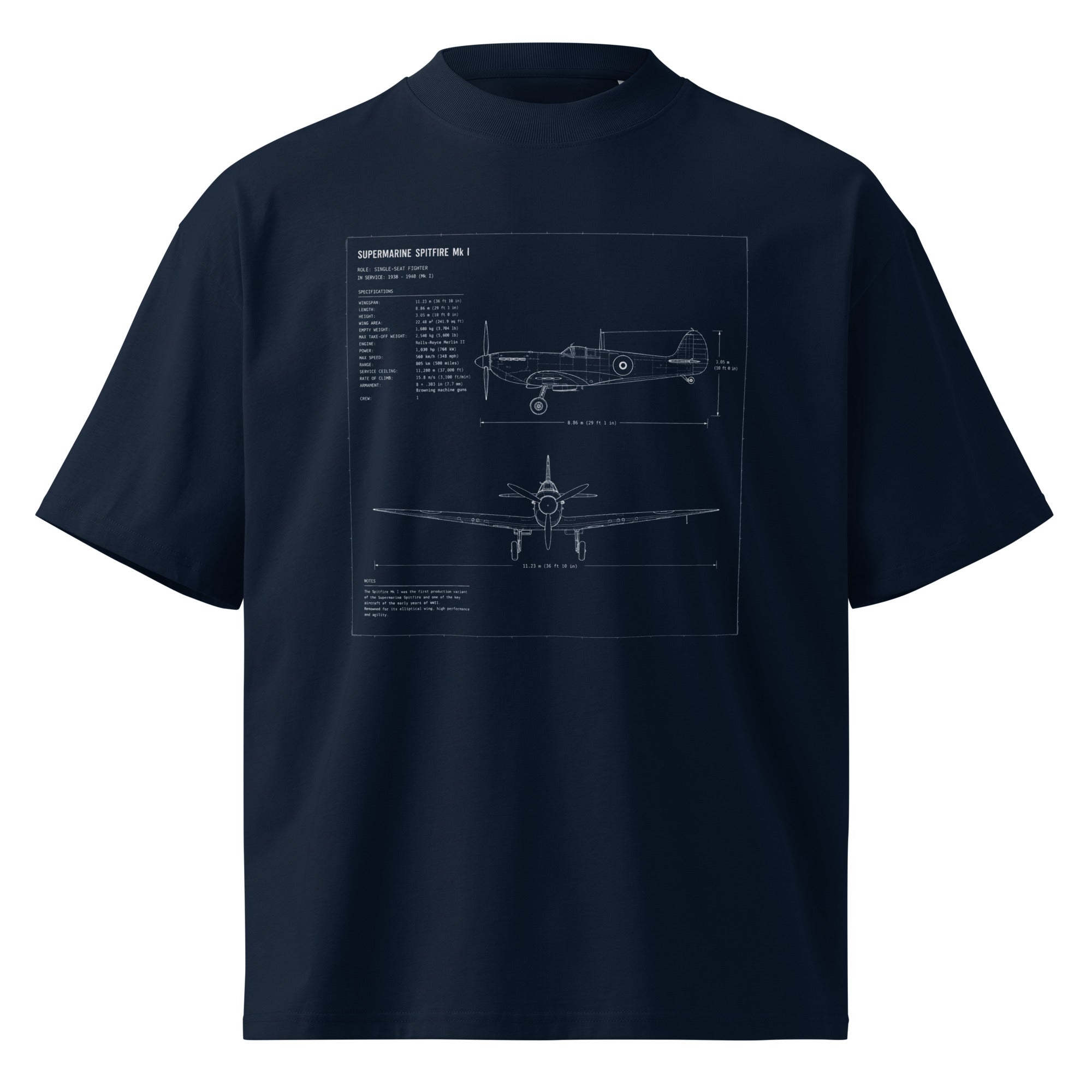
Reginald Mitchell was born in 1895 in Butt Lane, near Kidsgrove, a few miles from the Victoria Ground. He served his apprenticeship at a locomotive works in Fenton before joining Supermarine in Southampton, where he rose to become chief designer. His seaplanes won the Schneider Trophy outright for Britain, and the lessons of those racing machines fed directly into his final and greatest design.
The Spitfire first flew in March 1936. Mitchell watched his creation take to the air, but he never saw what it became. He died of cancer in June 1937, aged just 42, three years before his fighter met its moment.
The machine that met its moment
That moment was the summer of 1940. France had fallen, the army had been pulled off the beaches at Dunkirk, and Britain stood alone against an air force that had flattened everything in its path. What followed was the Battle of Britain, the first battle in history fought entirely in the air, and the first defeat inflicted on the Luftwaffe.
 Woz
Woz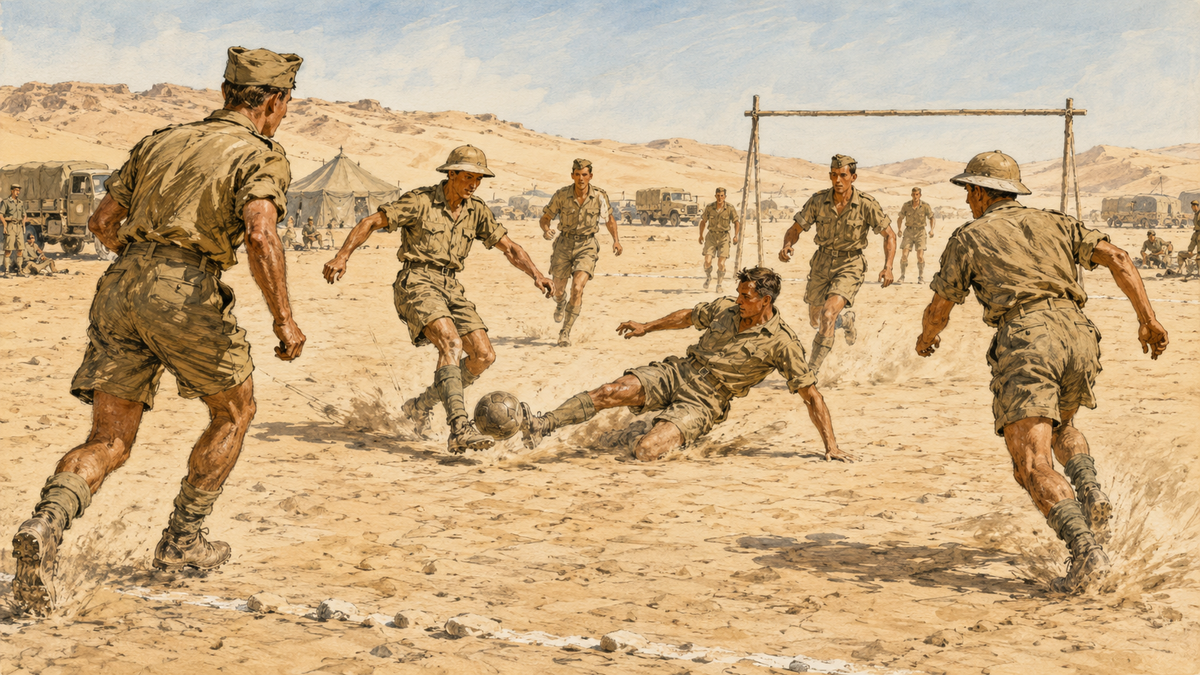
The Hurricane did much of the heavy lifting, and any honest account says so. But it was the Spitfire that became the symbol. Fast, beautiful and endlessly adaptable, it was the aircraft the Luftwaffe pilots respected most and the one the British public took to heart. A machine designed by a quiet engineer from the Potteries became the emblem of national survival.
I have written about that summer in full, the odds, the pilots and the weeks when everything hung in the balance, over on my history newsletter: The Storm Breaks: Britain Alone. If the story behind this shirt grabs you, start there.
Why this tribute lands
Football clubs reach for local heritage all the time, and it often feels thin. A skyline on a sleeve. A postcode on a collar. This is different because the connection is real and the stakes were real. Mitchell was a son of the Potteries whose work helped decide the outcome of the darkest summer in modern British history. Putting his aircraft on the shirt of his home city's club is not a gimmick. It is remembrance done properly, in the place it belongs.
Stoke deserve genuine credit for it. So does Macron for restraint. The shirt does not shout. It carries its story quietly, which is exactly how the generation it honours would have wanted it.
The details supporters get that players cannot wear
There is one lovely wrinkle. The shirts sold to supporters carry RM / Spitfire on the nape of the neck, along with a logo featuring the outline of the aircraft and the words Reginald Mitchell CBE (1895-1937). The player versions cannot carry these embellishments under EFL and FA regulations.
So the full tribute lives only on the shirts worn on the terraces and in the stands. The supporters carry the memory. There is something fitting about that.
The kit gets its first outing in a friendly against Crewe Alexandra. A Spitfire shirt, first flown over Cheshire. Mitchell would have enjoyed the routing.
This post was brought to you by The CobbleRose Shop
 Cobblerose